Let's cut through the noise. Predicting any commodity price five years out is tough, and silver is notoriously volatile. Anyone giving you a single, precise number is likely selling something. My goal here isn't to be a fortune teller, but to map out the key forces that will shove silver prices around between now and 2029, and to give you a framework for thinking about your own money. Having watched this market for over a decade, I've seen the hype cycles, the crashes everyone "didn't see coming," and the quiet, steady trends that actually make people money. The next five years will be defined by a tug-of-war between its ancient role as money and its exploding modern use in everything from solar panels to electric cars.
What's Inside: Your Quick Navigation
Where Silver Stands Today: More Than Just a Metal
Silver's in a weird spot. For years, analysts talked about the "gold-silver ratio"—how many ounces of silver it takes to buy one ounce of gold. Historically, it's averaged around 60:1. Recently, it's been hovering between 80:1 and 90:1. Some see this as silver being massively undervalued. I see it as a symptom of a deeper split personality.
On one hand, it's a precious metal. When people get nervous about inflation or banks, they buy gold and, sometimes, silver. This is the monetary demand. On the other hand, over half of all silver demand now comes from industry. You can't build a photovoltaic cell, an EV, or a 5G phone without it. This industrial demand is relatively new in the grand scheme and is growing fast. The price right now reflects a market that hasn't fully decided which of these personas is in charge.
A Quick Snapshot: Silver's Supply & Demand (Recent Data)
Understanding the baseline is crucial. Here's a simplified look at where the metal comes from and where it goes, based on reports from institutions like the Silver Institute and the World Silver Survey.
| Category | Key Details & Trends | Impact on Price |
|---|---|---|
| Mine Supply | Stagnant or slightly declining. Major mines are aging, and few large, new projects are coming online due to high costs and long permitting times. | Constrain. Limits how much new silver can hit the market quickly, creating a floor. |
| Industrial Demand | Record highs, driven by photovoltaics (solar panels), electronics, and automotive (EVs and conventional vehicles). This segment is the growth engine. | Primary Driver. Creates a consistent, structural demand pull that wasn't as strong 20 years ago. |
| Investment Demand | Volatile. Includes physical bars/coins and ETFs like SLV. Heavily influenced by interest rates and geopolitical fear. | Amplifier. Can cause sharp spikes or prolonged slumps, overriding fundamentals in the short term. |
| Recycling (Supply) | Significant source. Comes from old jewelry, electronics, and photographic materials. Tends to increase when prices are high. | Buffer. Puts a ceiling on runaway prices by adding supply when it's profitable to do so. |
The Four Engines Driving Silver's Future Price
Forget about one magic indicator. The price over the next five years will be the result of these four factors wrestling with each other.
1. The Green Energy Juggernaut
This is the big one, and it's not slowing down. The International Energy Agency projects massive growth in global solar capacity. Every megawatt of solar power needs about 20-30 kilograms of silver. Governments are pouring money into green infrastructure. If you believe in the energy transition, you're inherently bullish on long-term industrial silver demand. The catch? Technology can change. Thinner pastes and potential substitution (like copper) are real risks that could temper this demand. But for the next 5 years, the trajectory looks locked in.
2. The Interest Rate and Dollar Dance
Silver doesn't pay interest. When savings accounts or government bonds offer 5%, holding a zero-yielding metal has a high opportunity cost. This pressure has been immense recently. The next five years hinge on what central banks do. If we see a prolonged period of lower rates (whether due to a recession or controlled inflation), that headwind turns into a tailwind. Conversely, a strong US dollar makes silver more expensive for international buyers, dampening demand. Watch the Fed and the ECB more than any mining CEO.
3. Geopolitical & Systemic Uncertainty
Silver is a chaos hedge. Banking stresses, elections, conflicts, debt crises—events that shake faith in the system send people looking for hard assets. This demand is impossible to predict but guaranteed to happen at some point. It creates violent, short-term spikes. The mistake is buying after the headline hits and the price is already up 15%. The smart play is having some exposure before the world feels chaotic again.
4. The Technical Picture and Market Sentiment
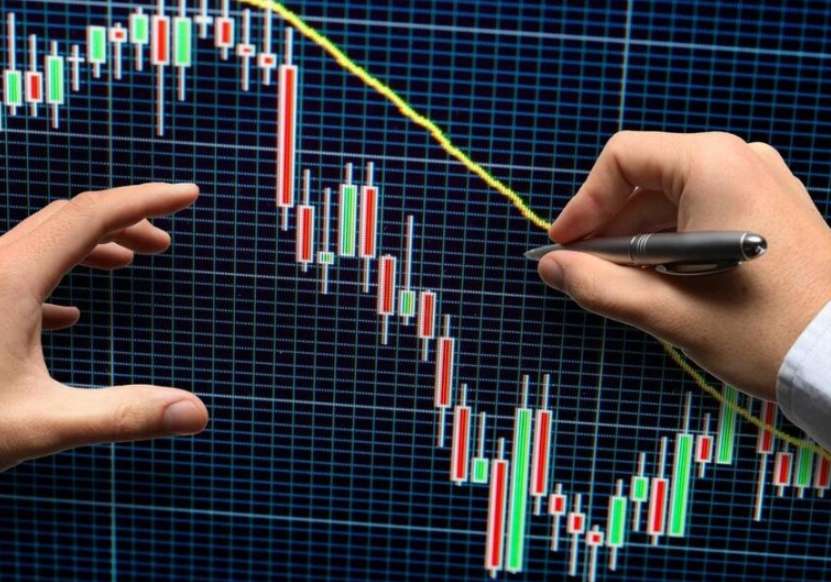
Charts matter because traders use them. Key long-term resistance levels (like the $30 per ounce area that has capped rallies for over a decade) are massive psychological barriers. A sustained break above $30 on high volume would be a game-changer, likely triggering a flood of algorithmic and momentum buying. Conversely, holding above $20 establishes a much higher floor than the sub-$15 days of the past. Sentiment, measured by surveys or futures market positioning, often marks extremes. When everyone is wildly bullish, it's usually time for a pullback.
Three Plausible 5-Year Price Scenarios
Instead of one guess, let's frame three realistic pathways. Think of these as planning tools, not prophecies.
Baseline Scenario (Moderate Growth): The energy transition continues steadily but faces some bottlenecks (grid issues, slower EV adoption). Interest rates plateau at moderate levels. No major financial crisis. In this world, industrial demand provides a steady rise, but investment demand remains tepid. Price range: $26 - $38 per ounce by 2029. This is the "muddle through" outcome most institutional models point to.
Bullish Scenario (Perfect Storm): Accelerated green spending coincides with a dovish pivot from central banks and a period of dollar weakness. A geopolitical event or banking scare triggers a sustained flight to hard assets. Silver breaks $30 decisively and doesn't look back. Price range: $40 - $60+ per ounce. The high end of this range requires a mania similar to the 2011 peak, fueled by both investment and industrial narratives.
Bearish Scenario (Stagflation or Deep Recession): High inflation persists, forcing central banks to keep rates high for longer. A deep global recession crushes industrial demand for silver (factories slow down), overwhelming its safe-haven appeal. The dollar soars. Price range: $18 - $25 per ounce. This scenario tests the structural supply deficit thesis and could see prices revisit recent lows.
My personal leaning? The Baseline Scenario feels most probable, but with high volatility. We'll likely see flashes of the Bullish and Bearish worlds within the five-year window. The trend should be higher, but the ride will be stomach-churning.
How to Invest, Not Just Speculate
This is where most articles stop. They give a prediction but no game plan. Here’s how to translate this outlook into action, based on the classic mistake I see: people go "all in" at the wrong time based on emotion.
Strategy 1: Dollar-Cost Averaging (The Sleep-At-Night Plan)
This is the most effective tool for 99% of people. Decide on a fixed amount to invest monthly or quarterly, regardless of the price. When silver is at $23, you buy. When it spikes to $29, you still buy (fewer ounces). This smooths out volatility and removes the impossible task of timing the market. Automate it if you can. Use a platform that allows fractional shares of ETFs or recurring purchases of physical coins.
Strategy 2: The Core-Satellite Approach
Build a core position (70-80% of your silver allocation) in low-cost, liquid vehicles. Think:
- Physical ETFs: iShares Silver Trust (SLV) or Sprott Physical Silver Trust (PSLV). They hold the metal for you.
- Allocated Physical: Owning bars or coins in a secure vault. It's for the long, long term.
Then, use a smaller satellite portion (20-30%) for tactical moves. This could be buying mining stocks (which offer leverage but more risk) during extreme pessimism, or adding extra physical on a sharp dip below key moving averages.
What NOT To Do: Common Pitfalls
I've made some of these errors myself early on.
- Don't use leverage or futures contracts unless you are a professional. Silver's volatility will wipe you out.
- Don't buy numismatic or collectible coins for investment. You're paying for rarity, not metal content. Stick to common bullion (American Eagles, Canadian Maples, generic rounds) for the lowest premiums.
- Don't let silver become more than 5-10% of your total investment portfolio. It's a diversifier, not the main event.
Questions Real Investors Are Asking
The path for silver over the next five years is less about a single destination and more about understanding the terrain. It will be pushed by green technology, pulled by interest rates, and occasionally thrown into chaos by world events. Your job isn't to predict every twist, but to build a position that can withstand the volatility and benefit from the long-term trend. Start small, be consistent, and never let the fear of missing out drive your decisions. The metal has been around for millennia; it will wait for you to make a smart move.
Comment desk
Leave a comment